Is My Child Spoiled? 9 Signs and How to Reset
Nine signs a child may be struggling with entitlement, why it happens, and a practical plan to reset expectations with limits, chores and connection over stuff.

Why siblings fight and how to respond: when to step in, scripts for common fights over toys, fairness and teasing, and how to build a better relationship.
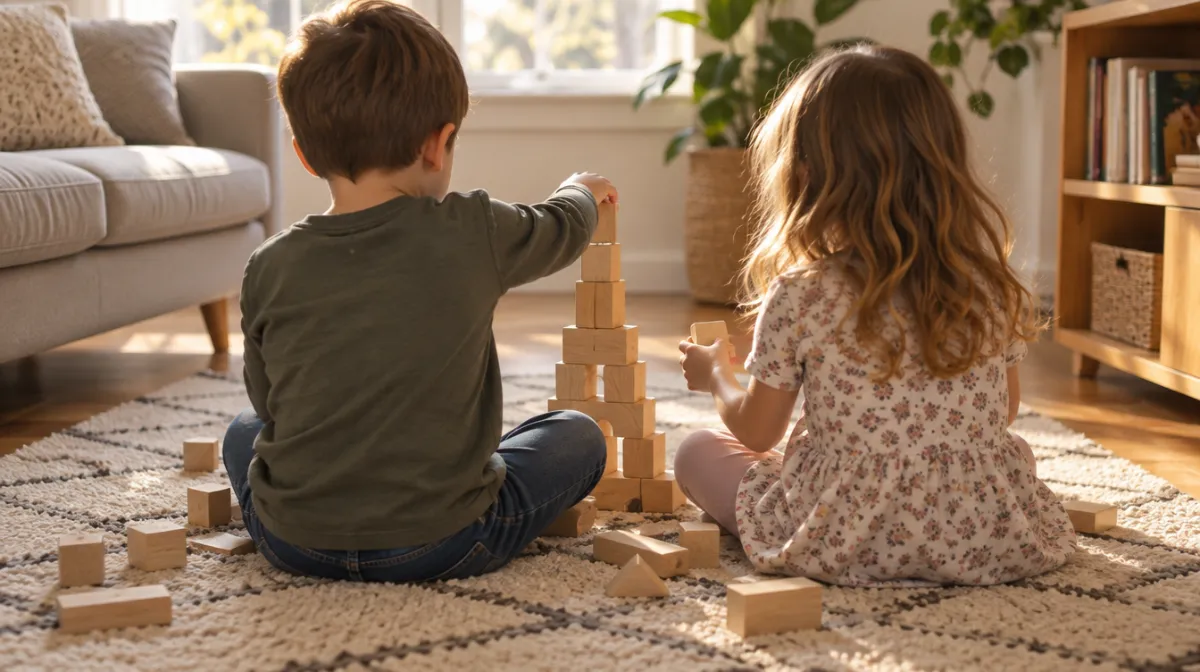
Sibling fights can make a calm home feel like a war zone. Some conflict is normal, and even useful: it’s where children practise negotiating, compromising and repairing relationships. Your job is less referee and more coach.
Step in immediately if anyone is being hurt, if one child is being bullied or overpowered, or if things are escalating fast. For minor squabbles, give them a moment to sort it out.
“I see two kids who both want the truck. What could we do so you both get a turn?”
Offer a timer if they need structure.
“You wish you had the same. In our family, everyone gets what they need, and that’s not always the same thing.”
“Name-calling isn’t allowed. Tell your brother what you’re upset about, using real words.”
“I won’t let you hurt each other. You both need a break. We’ll sort it out when everyone is calm.”
For hitting, see our guide to handling a child who hits.
If one child is consistently targeted, if fights are frequently violent or if the conflict is affecting a child’s wellbeing, talk to your pediatrician or a family counsellor.
Yes. Most siblings fight at times. Their relationship often improves as they grow and develop better skills.
If you don’t know who started it, separate them to calm down and then help them problem-solve, rather than guessing.
Talk about the baby, involve them in small ways and protect special time together; our guide to preparing for a new sibling has more. Expect some regression; it usually passes.

Every article is edited by a human and checked against our editorial policy. Spotted a mistake? Tell us.
Nine signs a child may be struggling with entitlement, why it happens, and a practical plan to reset expectations with limits, chores and connection over stuff.
Why young children hit, what to do and say in the moment, how to teach better ways to handle anger, and when hitting is a sign to talk to your pediatrician.
Why children whine, what to do in the moment, how to stop rewarding it, teaching a “big voice” and preventing triggers, for toddlers to school-age kids.